


The allure of gambling: why do people play?
The attraction of casinos can be largely attributed to the thrill and excitement they offer, pulling players into an engaging experience. For many, the unpredictability of the outcome creates a rush of adrenaline, compelling them to participate. This excitement often outweighs the potential risks involved, leading individuals to gamble despite the odds being stacked against them. When considering the various factors at play, you can find more information here to delve deeper into the dynamics of casino environments.

The sensory environment of a casino further enhances this allure. Bright lights, vibrant colors, and the sounds of winning machines create an atmosphere that is both stimulating and inviting. This engineered environment is designed to keep gamblers engaged, encouraging prolonged play and decision-making that often overrides rational thought.
The role of cognitive biases in gambling decisions
Cognitive biases significantly influence how gamblers make decisions. One common bias is the illusion of control, where players believe they can affect the outcome of games that are purely chance-based. This erroneous belief can lead to increased gambling activity as individuals feel empowered, despite the reality that outcomes are largely random.
Another notable bias is the gambler’s fallacy, where individuals assume that past outcomes will influence future events. For example, if a player sees a slot machine that hasn’t paid out recently, they may believe it is “due” for a win, prompting them to continue playing. These biases can cloud judgment and lead to riskier gambling behavior.
The impact of emotions on gambling behavior
Emotional states play a crucial role in gambling decisions. Many individuals gamble as a way to escape negative emotions such as stress, anxiety, or depression. The act of betting can serve as a distraction, offering a temporary reprieve from personal challenges. Unfortunately, this emotional reliance on gambling can lead to destructive habits.
Conversely, positive emotions can also drive gambling behavior. The joy associated with winning can create a euphoric state, making players more likely to gamble again in hopes of replicating that high. This cycle can create a compelling, albeit dangerous, connection between emotions and gambling outcomes, leading to increased risk-taking.
Social influences on gambling decisions
Social factors significantly impact gambling behavior. Peer pressure and societal norms regarding gambling can encourage individuals to play, often leading them to make decisions they might not consider in isolation. The perception that everyone else is gambling can create a sense of belonging, prompting individuals to partake to maintain social ties.
Moreover, the rise of online gambling has intensified these social influences, allowing players to interact and share experiences in real-time. Social media platforms can amplify the excitement of gambling, as individuals showcase their wins and participate in virtual wagering communities, further driving the desire to gamble.
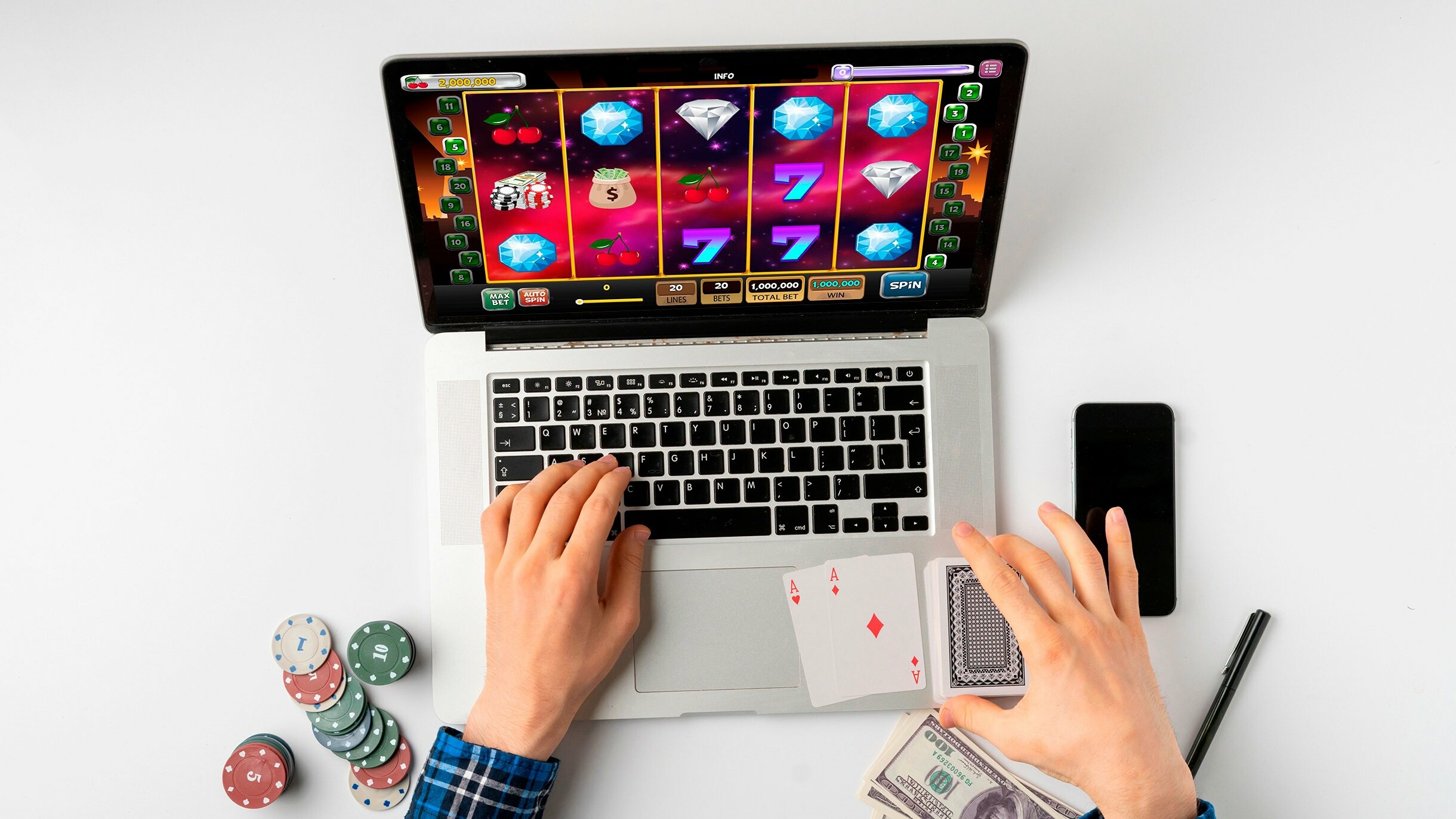
Understanding responsible gambling: resources and support
While gambling can be entertaining, it is essential to recognize the potential risks involved. Many resources are available to help individuals understand their gambling behavior and find support if necessary. Educational initiatives offer insights into responsible gambling practices, aiming to foster awareness and promote safer approaches to wagering.
With the rise of online platforms, access to information and support has become more straightforward. Individuals can explore various resources that provide guidance on setting limits, understanding odds, and recognizing warning signs of problematic gambling behavior. These tools are crucial for maintaining a healthy relationship with gambling and ensuring a safer experience for all players.